Airbnb - Case Study
Airbnb Storytelling&CopywritingAirbnb is not just a house.
It is a promise.
From listing to experience
Airbnb has changed dramatically in recent years:
More competition, more demanding guests, increasingly blurred boundaries between home and hotel, less tolerance for communication errors.
Today, the problem is not having a beautiful home, but telling the right people about it in the right way.
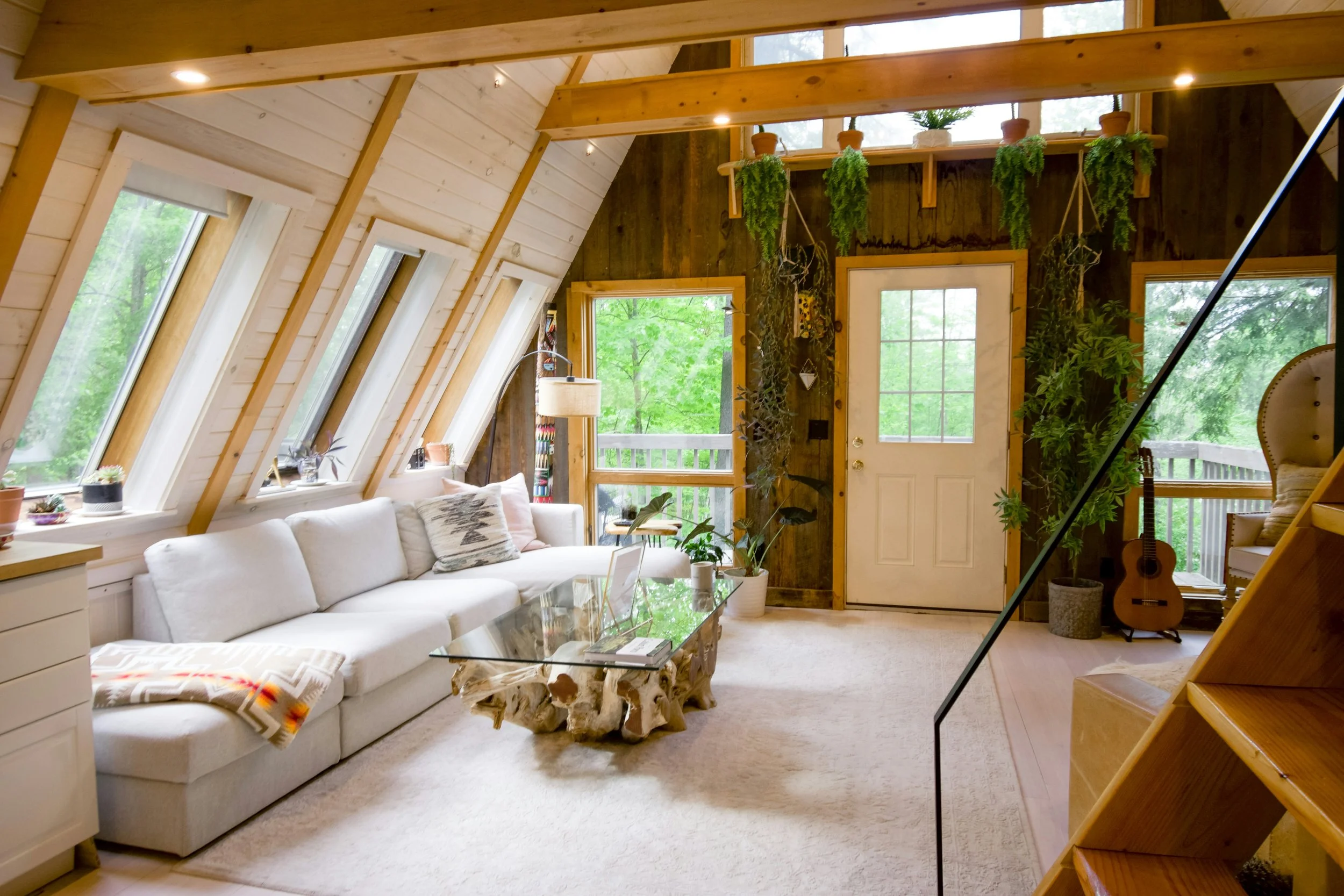
“The problem isn't your house. It's how it's perceived.”
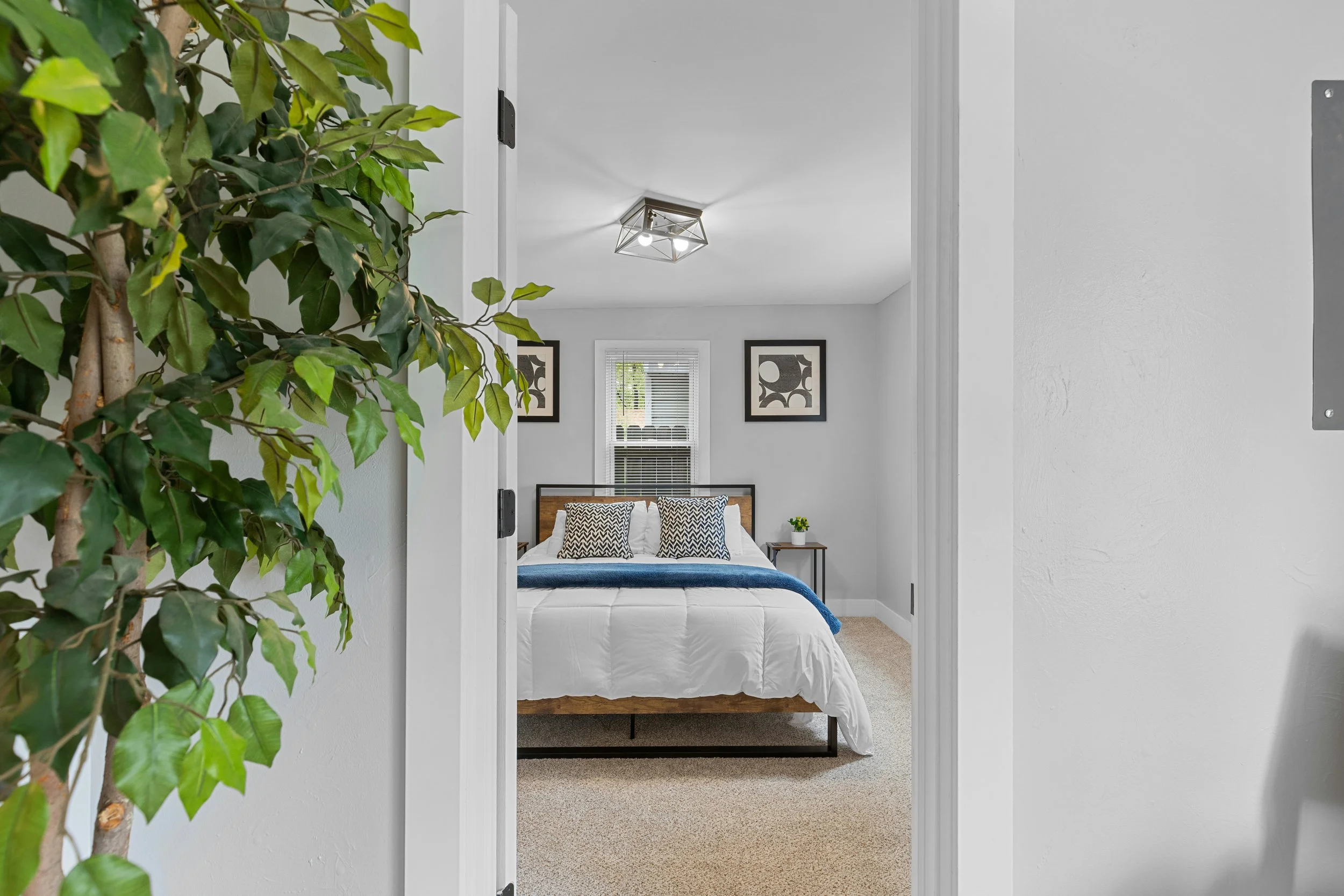
I help hosts and property owners transform their listings …
into clear, desirable, and consistent experiences reducing friction, unnecessary questions, and misguided reviews.

When perception doesn’t match reality, friction begins
Many hosts struggle with last-minute questions, disappointed guests, or reviews that mention things they never promised.
In most cases, the issue isn’t the property itself , it’s the story being told around it.
Real Problems:
Expectations shaped by generic listings
Confusion between “home” and “hotel experience”
House rules read too late — or not at all
Guests booking the place for the wrong reasons
The real challenge is not attracting more guests
it’s attracting the right ones.

This case study explores how strategic copy and storytelling can realign perception, reduce friction, and improve both bookings and reviews.
A. Initial scenario
B. Purpose
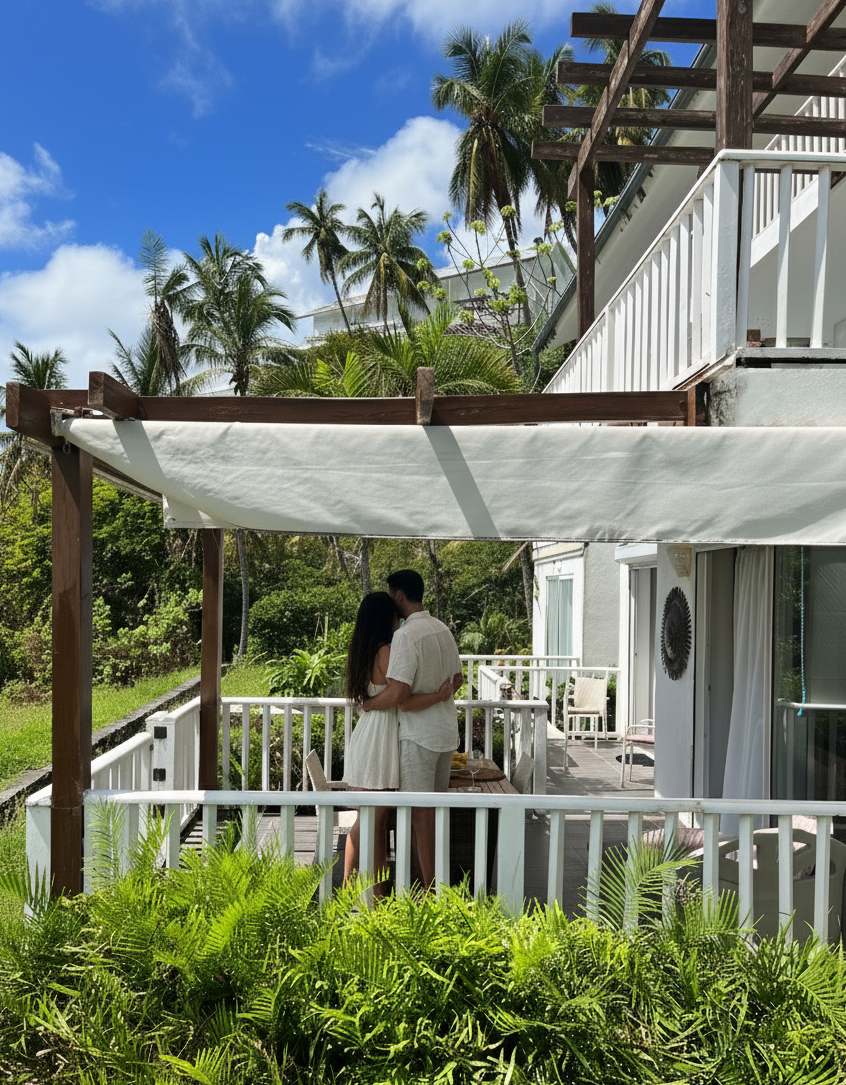
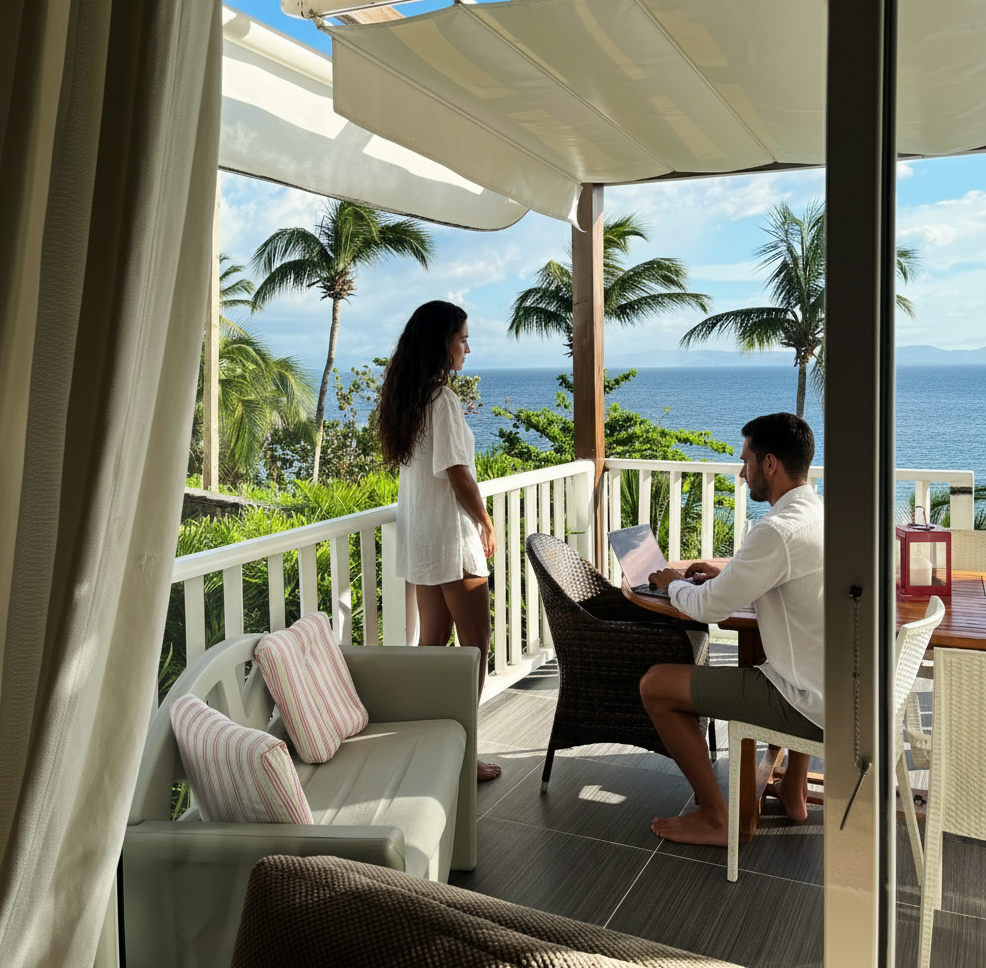
Independent flat with sea view, carefully furnished, managed directly by the host.
Market : Highly competitive tourist area, strong seasonality, many similar alternatives in terms of price and size.
Target: Couples, digital nomads and independent travellers seeking tranquillity, independence and authenticity.
“A decent house, good but not excellent reviews, and a constant feeling that ‘something is not quite right”.
Applied strategy
To solve these problems, the intervention should not be a simple ‘embellishment’ of the text, but a complete redesign of the narrative experience .
The tone of voice has been repositioned from generic and neutral to clear, human and intentional; the listing headline has been rewritten to attract the right type of guest, not the largest possible number.
The description was structured according to textual UX principles, with scannable sections and information provided before it became a question.
The house rules were transformed from impersonal prohibitions into narrative guidelines, clarifying the ‘why’ behind each rule. Finally, strategic quick replies were created, consistent with the tone of voice of the listing, to reinforce a correct perception of the experience already in the pre-booking phase.
Align the perception of the experience offered with the reality of the accommodation, in order to:
increase qualified bookings
reduce communication friction
improve the quality of reviews